
Mold Remediation Toronto: Containment and Air Filtration
Mold remediation Toronto projects succeed or fail on how well the work area is isolated, so this page explains how Toronto Mold Remediation Group sets up containment and air filtration.
Fully licensed and insured
Monday to Sunday: Open 24 hours
Sealing the work area
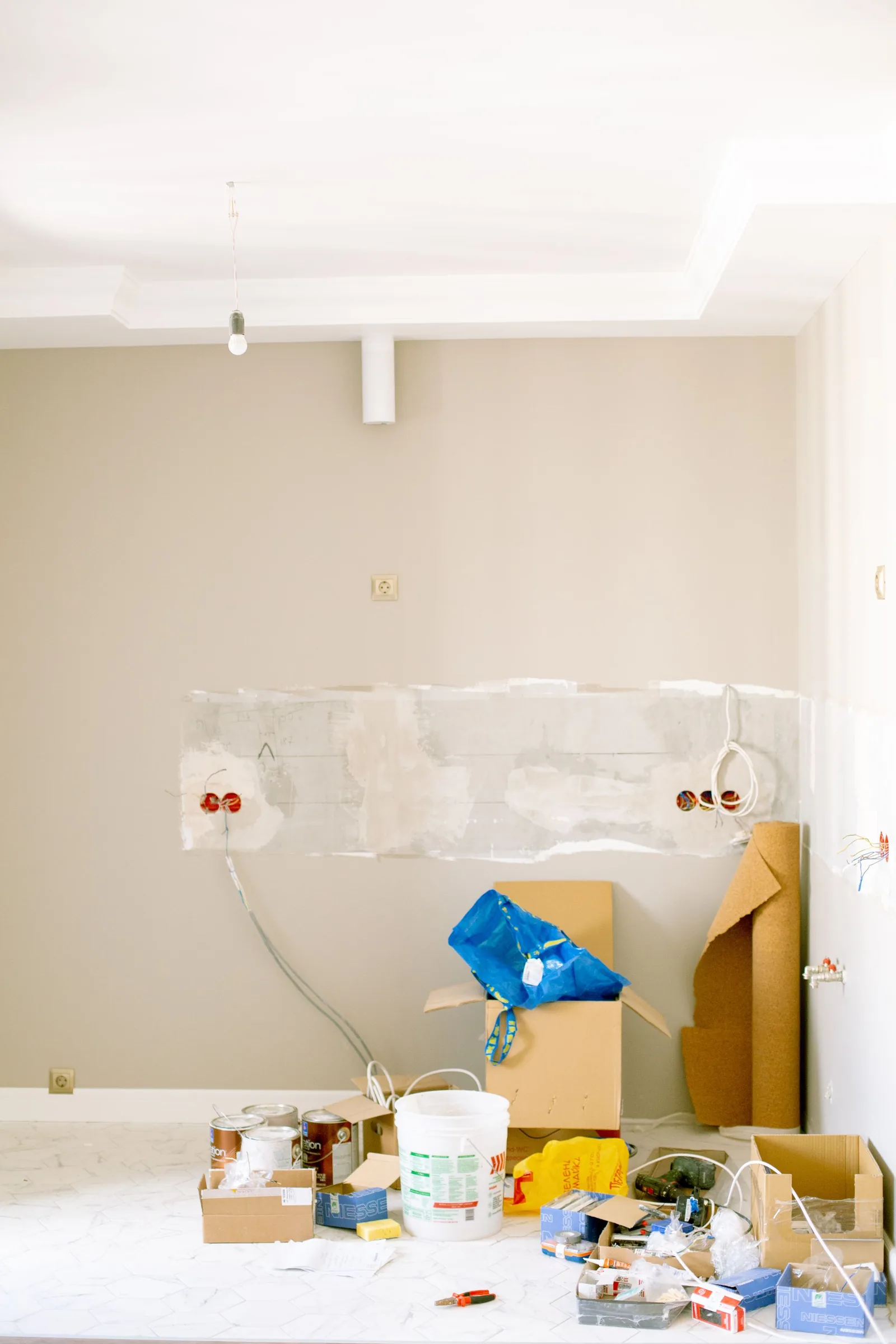
Containment starts with polyethylene barriers built to isolate the affected zone from the rest of the building. Entry is through a controlled opening, and supply and return paths that could carry air out of the zone are closed or protected. In occupied buildings this step decides whether neighbours and tenants notice the work at all.
For a unit in a condo or a suite in an office, we pay attention to ceiling cavities, shared walls, door gaps and ventilation connections, because those are the paths air actually takes.
Negative air and filtration
A negative air machine exhausts air from the contained zone through HEPA filters, so the room is held at lower pressure than its surroundings. Air then flows into the work area instead of out of it. Air scrubbers run throughout removal to capture suspended particles.
What controls are checked during the job
- Barriers intact and sealed at seams and penetrations
- Negative air maintained while work is under way
- Filtered exhaust directed away from intakes
- Waste bagged inside the zone before it leaves
- Surfaces cleaned at the end of each stage
Removal, drying and cleaning
Porous materials such as soaked drywall, insulation and carpet are removed, since they cannot be reliably cleaned. Remaining structure is cleaned and dried. Moisture readings confirm that materials have reached dry condition before the area is closed up.
Only after those steps do we prepare the handback, with photos and readings recorded for the file.
Why verification is part of the job
Before a containment is taken down, the area is cleaned and checked. We look at surfaces, confirm that moisture readings show dry materials and make sure that nothing in the zone remains that could continue to feed growth. For owners who want independent assurance, indoor air quality testing can accompany the handback and provide data about the space.
This final step turns a project into a documented result: the same photographs and readings that were taken at the start are matched against the finished condition.
Checking the controls, step by step
Before work starts, we test that the barrier seals hold and that the negative air machine draws air across the zone and not out of it. Each day the crew checks the seals, filter condition and the pressure behaviour of the zone, and records the checks. Waste leaves in sealed bags through a planned route, and the route is cleaned afterwards. These details are dull to read and important to follow, which is why they are written down.
Technical questions
Is bleach part of the process?
The process is built on source correction, removal of affected material, filtration and drying. Surface treatments alone do not address moisture.
Can you test the air afterwards?
We offer indoor air quality testing when a building owner wants data to accompany the handback.
Request a quote
Tell us what you need and we will get back to you. In a hurry? Calling is fastest.
Ask about a containment plan
Call us and ask for a free assessment of your building.
Call now (416) 272-3881