
Mold Remediation Hamilton
Mold remediation Hamilton buildings require has to account for older masonry, dense rental housing and industrial or institutional sites, each of which changes how containment and access are planned.
Fully licensed and insured
Monday to Sunday: Open 24 hours
Hamilton building stock and its demands
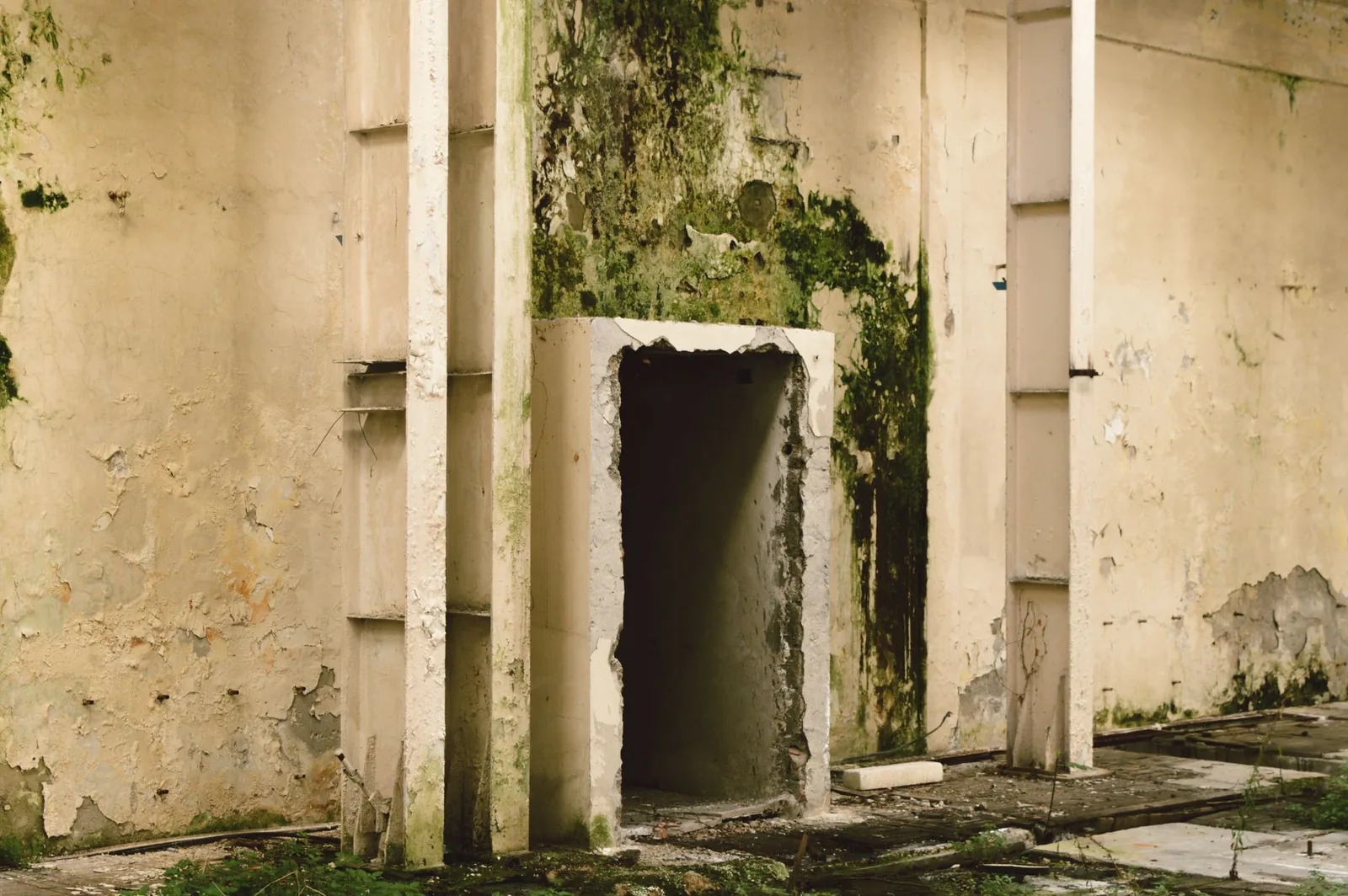
Hamilton has an unusually large stock of older brick and stone buildings, from nineteenth-century commercial blocks downtown to early twentieth-century apartment buildings and houses converted to multiple units in Westdale, Durand and Corktown. Many have been renovated in layers over decades, which leaves concealed voids where moisture and growth can sit. The city also has industrial waterfront properties, hospital and university areas and busy commercial corridors, each with its own access requirements.
Because many older buildings have solid masonry walls, water that enters can travel and then dry slowly. We therefore pay particular attention to moisture mapping, so that the extent of the affected area is based on readings rather than on what is visible on the surface.
Rental and multi-unit properties
Dense rental housing is a large part of Hamilton's market. In a converted house with several suites, a leak in one unit can affect another, and tenants and owners may not agree on the cause. We give the landlord a factual record of the source, the extent and the work done. Ontario's Residential Tenancies Act, 2006 section 20 says a landlord is responsible for providing and maintaining the complex and rental units in a good state of repair and fit for habitation, so the record supports the landlord's own obligations. This is general information, not legal advice.
Hamilton situations that need planning
- Converted multi-unit houses where suites share walls, floors and risers
- Older apartment buildings with original plumbing stacks
- Commercial blocks with apartments above retail
- Industrial and institutional sites with restricted access
- Heritage buildings where finishes must be protected during the work
The remediation sequence
- LocateMoisture mapping and inspection establish the source and extent.
- ContainBarriers and negative air separate the work area from occupied space.
- Remove and filterAffected porous materials are removed under HEPA filtration.
- DryDrying usually runs 3 to 5 days.
- DocumentPhotos, readings and a written record are provided at handback.
Access, notice and heritage constraints
In occupied buildings, access is often the hardest part of the plan. We ask for a contact who can arrange keys and notices, agree working hours in advance and set out waste and equipment routes. For heritage or character buildings, we identify the features that must be protected before work starts and tell the owner where opening a wall is unavoidable.
Hamilton's seasons and what they expose
Hamilton's climate is humid in summer and cold in winter, and both extremes show up in buildings. Summer humidity condenses on cool basement walls and in poorly ventilated mechanical rooms. Winter freeze and thaw drives water into masonry joints, parapets and flat roofs. Spring runoff from the escarpment can push groundwater against older foundations. We use that seasonal pattern to decide where to look first, and we give owners a short list of things to check each season so that small leaks do not turn into large jobs.
Where a building has had repeated problems, we recommend a periodic moisture check, because older masonry buildings hide water for a long time before it is visible.
After a flood in Hamilton: who to call and what is available
The City of Hamilton says to report water or sewage coming up a floor drain on 905-546-2489, and that staff will advise which programs apply; the owner is responsible for the entire sewer lateral to the main. For flooding from the July 21, July 28, August 2 and August 7, 2026 storms, the City lists a one-time compassionate grant of up to two thousand dollars. It sets an application deadline for each storm, so confirm yours with the City. Mould that follows a flood is dealt with after the water is out and the structure is drying (checked November 2026).
Hamilton remediation questions
Do you serve the Mountain as well as the lower city?
Call with the address and we will confirm the visit.
Can you handle a heritage building?
Yes. We plan protection of original finishes and explain what must be opened.
What does Health Canada say about testing?
It does not recommend routine air testing, because an air test cannot predict health effects. We rely on inspection and moisture readings, and help arrange sampling where an owner or insurer needs it.
Request a quote
Tell us what you need and we will get back to you. In a hurry? Calling is fastest.